
Birla Aerocon AAC Blocks in Coimbatore
Lighter than clay brick, with fewer joints. Tell us your wall area and we'll help you work out the thickness and quantity.
4, 6, 8 and 9 inch blocks. Supplied from Coimbatore.
Get AAC Blocks Price
Tell us about your project and our team will contact you with a recommendation and quotation.
4, 6, 8 and 9 inch blocks. Supplied from Coimbatore.
Mirra BuildTech Solutions, 41A, Mamarathottam, Ganapathy, Coimbatore

Clients Mirra has worked with


















Same wall. Far fewer pieces.
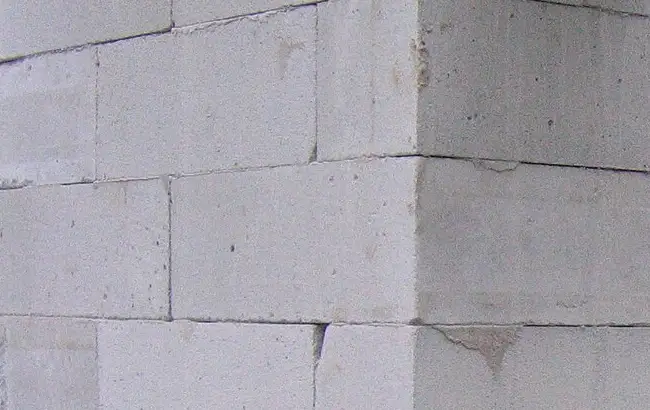
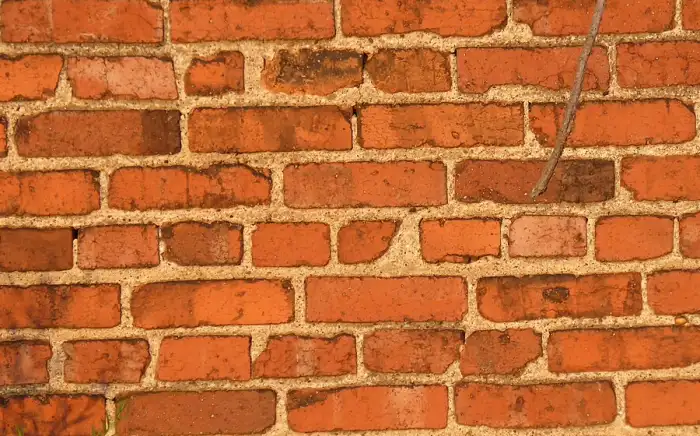
| AAC block | Clay brick | |
|---|---|---|
| Weight | Lighter, so less dead load on the structure | Heavier for the same wall |
| Joints | Fewer joints, laid with AAC block jointing mortar | More joints, laid with conventional mortar |
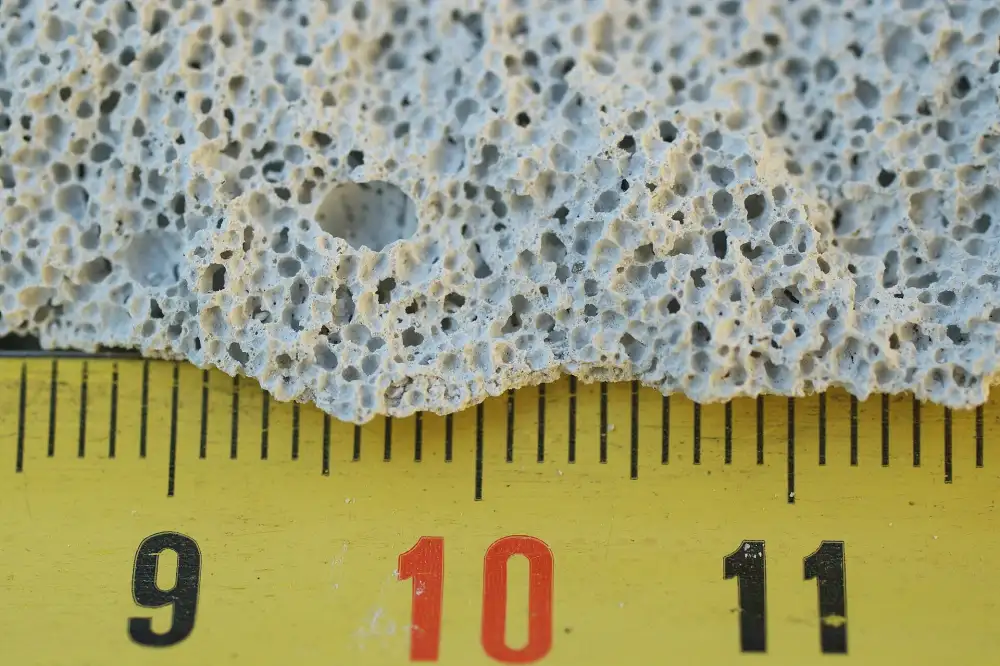
| Heat | Air-filled pores help slow heat through the wall | Depends on the brick and wall design |
| On site | Lighter to carry and can be cut to size | More pieces to carry |
| Water | Needs proper plaster and waterproofing | Also needs proper plaster and finishes |
Actual performance depends on the specific products and complete wall assembly.
What changes when you switch
Your structure carries less.
Lighter walls mean less dead load, which matters most on upper floors.
Walls go up with fewer pieces.
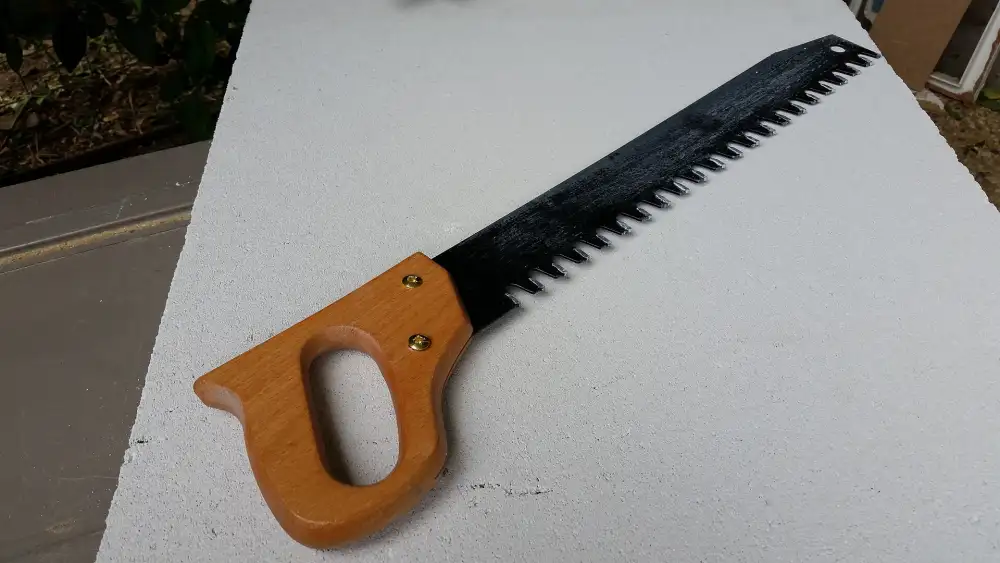
Bigger blocks cover more area per piece, and they can be cut with suitable tools to fit openings.
Rooms can stay more comfortable.
The air-filled pores in AAC help reduce the heat coming through the wall.
The material does not burn.
AAC is non-combustible. Fire performance depends on wall thickness and the tested system.
What blocks don't do: they don't replace columns or beams. Treat them as walling unless an approved design says otherwise.
Which thickness do you need?
Used in independent houses and villas, apartments, offices and commercial buildings, schools and colleges, hospitals, and hotels.
- 4 inchInternal partitions
- 6 inchInternal and external walls, as designed
- 8 inchSelected external walls
- 9 inchSpecific wall requirements
Widths drawn to scale. Final thickness depends on your architectural drawings, structural requirements and site conditions.
See the blocks. Hear from our founder.
The blocks, up close and on site
How to choose the right wall for your building
How the wall goes up
Drawings first
We go through your drawings and site, then estimate the blocks you need.
Level the first course
Mark the wall layout and set the first course dead level. Everything above follows it.
Lay course by course
Blocks go up with AAC block jointing mortar, staggered so the joints don't line up.
Cut openings and chases
Cut for doors and windows, and make planned chases for wiring and pipes with suitable tools.
Check the wall
Check the work and allow curing as the manufacturer recommends.
Plaster and paint
Finish with compatible plaster or finish, then primer and paint.
What people ask before ordering
Don't see your question? Ask us on WhatsApp or call 94426 52355.
Are AAC Blocks really lightweight?
Yes. AAC Blocks are lighter than conventional clay bricks, which helps reduce the dead load of walls on the building structure.
Are AAC Blocks strong enough for building construction?
Yes, for properly designed walls in residential and commercial buildings. Suitability depends on compressive strength, wall thickness, design and installation quality. They should not be treated as load-bearing without an approved design.
Can AAC Blocks be used for load-bearing walls?
Only when the specific product, design and construction system are approved for load-bearing use. In conventional framed buildings, AAC Blocks are commonly used as infill or partition masonry. They do not replace columns or beams.
How many years will AAC Blocks last?
AAC Blocks are made for long-term building use. Service life depends on product quality, workmanship, moisture protection, plaster or finishing systems and building maintenance, so one fixed number of years does not apply to every building.
Can AAC block walls be dismantled and reused?
The walls can be removed, but expect blocks to break. Block masonry is built with mortar joints and is not designed for reuse. Confirm with an engineer that a wall is non-structural before removing it.
Can AAC Blocks be used on the ground floor?
Yes. AAC Blocks can be used for suitable wall applications on the ground floor, subject to the building design.
Can AAC Blocks be used on the first floor and upper floors?
Yes, for properly designed walls. The structural engineer should consider wall weight, support conditions and building design.
Are AAC Blocks suitable for exterior walls?
Yes, with suitable weather protection, plaster or finishing, waterproofing details and proper installation.
Can electrical pipes and concealed wiring be installed inside AAC block walls?
Yes. Conduits, switch boxes and wiring routes can be fitted using suitable chases. Plan the cutting and use appropriate tools. Avoid excessive or deep cutting, especially near structural supports and openings.
Can plumbing pipes be installed inside AAC block walls?
Yes, with proper planning. Check pipe diameter, wall thickness, chase depth and waterproofing requirements before installation. Larger pipes may need a dedicated service shaft or duct.
Can wiring be installed on the wall surface instead?
Yes. Both concealed and surface-mounted wiring are possible. Finalise the method with your electrical contractor before wall construction and finishing.
Can AAC Blocks be plastered and painted?
Yes. Use suitable surface preparation, compatible plaster or finishing materials, primer and paint, as recommended by the manufacturer.
Can AAC Blocks be used for bathroom and kitchen walls?
Yes, with proper wall design and appropriate waterproofing, plumbing and surface finishing.
Are AAC Blocks waterproof?
No, AAC Blocks are not completely waterproof. Appropriate plastering, waterproofing and protective finishes are important.
How quickly can AAC block construction be completed?
Larger blocks can help speed up wall construction compared with conventional bricks. Actual time depends on:
- Total wall area
- Number of masons and helpers
- Site accessibility
- Door and window openings
- Cutting requirements
- Mortar and finishing work
We can estimate the schedule after reviewing your drawings and site requirements.
Send us your drawing. We'll help you work out the blocks.
Mirra BuildTech Solutions supplies Birla Aerocon AAC Blocks to builders, contractors, architects and homeowners. We help you choose the block size, estimate quantity from your drawings, and plan supply and delivery.